Thursday, February 9, 2023

Azure, AWS, and GCP: The Battle of the Cloud Platforms for Data Science

In the world of data science, the cloud has become an essential tool for organizations looking to store, process, and analyze large amounts of data. However, with so many cloud platforms available, choosing the right one for your data science needs can be a challenge. In this blog post, we'll take a look at the advantages of Azure for data science and compare it against AWS and GCP.


Integration with Other Microsoft Products and Services

One of the biggest advantages of Azure for data science is its integration with other Microsoft products and services. If your organization is already using Microsoft products such as Office 365 or Dynamics 365, integrating your data science initiatives with the rest of your infrastructure becomes a breeze. Azure also offers a range of tools and services specifically designed for data science, such as Azure Machine Learning, Azure Databricks, and Azure Cognitive Services, providing a comprehensive solution for all your data science needs.


Scalability and Reliability

Another advantage of Azure is its scalability and reliability. Azure provides a flexible and scalable platform that allows organizations to easily expand their data science capabilities as their needs grow. Furthermore, Azure offers a high degree of reliability and uptime, ensuring that your data science projects are always up and running.


Streamlined Experience for Data Scientists

Compared to AWS and GCP, Azure provides a more streamlined experience for data scientists. Azure offers a centralized platform for managing your data science projects, making it easier to collaborate and share resources with your team. Additionally, Azure provides a more user-friendly interface and a simpler pricing model, making it easier to get started and stay within budget.


Cost-Effective Solution

In terms of cost, Azure is generally more cost-effective than AWS and GCP, especially for small to medium-sized organizations. Azure provides a pay-as-you-go pricing model that allows organizations to only pay for the resources they use, reducing the risk of overspending.


In conclusion, Azure provides a comprehensive and cost-effective solution for data science, with a focus on integration, scalability, reliability, and ease of use. If you're looking for a cloud platform for your data science needs, Azure is definitely worth considering. With its range of tools and services, flexible pricing model, and user-friendly interface, Azure is the perfect platform for organizations of all sizes to store, process, and analyze their data.

Wednesday, February 8, 2023

Azure-based Data Architecture: Building Scalable and Secure Data Systems

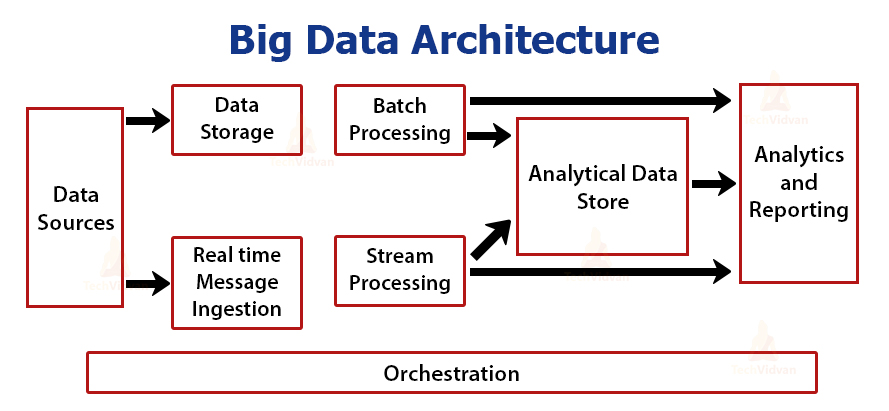
In today's fast-paced business world, data is a critical component for organizations to make informed decisions and stay ahead of the competition. With the increasing amount of data generated and stored by organizations, a robust and scalable data architecture is essential. Microsoft Azure provides a comprehensive set of cloud computing services to support data-driven solutions, and this article will explore the approach for building an Azure-based data architecture.


Why Choose Azure for Data Architecture?

Azure offers a wide range of data storage and processing services that are scalable, secure, and highly available. With Azure, organizations can store, manage, and analyze large amounts of data, and easily build data-driven solutions without having to worry about the underlying infrastructure. Additionally, Azure provides a number of security features and compliance certifications, making it a secure choice for organizations to store sensitive data.


Components of an Azure-based Data Architecture

An Azure-based data architecture typically consists of the following components:

Azure Storage: Azure Storage is a scalable and secure data storage solution for structured and unstructured data. It supports multiple types of data storage, including blobs, tables, queues, and files, and provides options for data backup and disaster recovery.

Azure SQL Database: Azure SQL Database is a managed relational database service built on SQL Server. It provides a familiar SQL interface for querying and manipulating data, and offers built-in security and high availability features.

Azure Cosmos DB: Azure Cosmos DB is a globally distributed, multi-model database service that supports document, key-value, graph, and column-family data models. With Cosmos DB, organizations can store and access data from anywhere in the world with low latency.

Azure Databricks: Azure Databricks is a collaborative, Apache Spark-based analytics platform. It allows organizations to process and analyze large amounts of data in real-time, and provides tools for data engineering, machine learning, and data visualization.

Azure Data Factory: Azure Data Factory is a cloud-based data integration service for creating and managing data pipelines. It provides a visual interface for building data pipelines and allows organizations to move data between different data stores with ease.

Azure Stream Analytics: Azure Stream Analytics is a real-time data stream processing service. It allows organizations to analyze and process data in real-time as it is generated, and provides the ability to act on the data in near real-time.


Conclusion

In conclusion, Microsoft Azure provides a comprehensive set of data storage and processing services that enable organizations to build scalable, secure, and highly available data systems. By leveraging Azure, organizations can store, manage, and analyze large amounts of data, and build data-driven solutions with ease. Whether you're looking to build a new data architecture or migrate an existing one to the cloud, Azure has the tools and services you need to get the job done.

Monday, February 6, 2023

The Importance of Data Quality: A Comprehensive Guide

Data quality is the degree to which data meets the needs of its intended use. It is a critical aspect of any data management strategy, as it affects the accuracy, reliability, and usefulness of the data. Poor data quality can lead to incorrect decisions, increased costs, and a loss of confidence in the data.

Here are some key elements of an effective data quality program:

Define Data Quality Requirements

The first step in implementing a data quality program is to define the data quality requirements. This includes identifying the specific characteristics of the data that must be maintained, such as accuracy, completeness, consistency, and timeliness. The data quality requirements should be based on the organization's goals and objectives and the impact that poor data quality will have on achieving those goals.


Establish Data Governance

Data governance is a critical component of data quality, as it helps ensure that the program is properly managed and that the data is used consistently across the organization. Data governance includes establishing policies, procedures, and standards for data management, as well as defining roles and responsibilities for data management activities.


Clean and Normalize the Data

Before data quality can be assessed, it's important to clean and normalize the data. This includes removing duplicates, correcting errors, and ensuring that data is in a consistent format. This step is critical to ensure that the data is accurate and usable.


Implement Data Quality Controls

To ensure data quality, it's important to implement data quality controls. This can include data validation rules, data profiling, and regular data audits. Data quality controls help to identify and correct data quality issues before they become a problem.


Monitor Data Quality

Monitoring data quality is a continuous process that involves regularly assessing the data against the defined data quality requirements. This can include automated data quality checks, manual data quality checks, and regular data audits. Regular monitoring helps to identify data quality issues and ensure that the data quality is maintained over time.


Continuously Improve Data Quality

Continuous improvement of data quality is a key component of an effective data quality program. This includes regularly reviewing the data quality requirements, updating the data quality controls, and incorporating feedback from the business on the data quality. By continuously improving data quality, organizations can ensure that their data remains accurate and usable over time.


Communicate Data Quality Issues and Results

Communicating data quality issues and results is important to ensure that all stakeholders are aware of the data quality status. This includes regular reporting on data quality issues, as well as regular communication with the business on the data quality status and the steps being taken to improve the data quality.


In conclusion, data quality is a critical aspect of any data management strategy. By implementing effective data quality practices, organizations can ensure that their data is accurate, reliable, and usable, helping them to make better decisions and improve operational efficiency. To achieve these benefits, organizations must have a clear understanding of their data quality requirements, establish data governance, clean and normalize the data, implement data quality controls, monitor data quality, continuously improve data quality, and communicate data quality issues and results.

Master Data Management: A Key Element of a Successful Data Strategy

Master data management (MDM) is the process of creating a single, accurate, and consistent view of key data entities across an organization. These entities can include customers, products, suppliers, and locations, among others. MDM is a critical component of a successful data strategy as it helps organizations to make better decisions, improve operational efficiency, and reduce risks associated with data inconsistencies and errors.


Here are some key elements of an effective master data management program:

Define the Scope of the MDM Program

The first step in implementing an MDM program is to define the scope. This includes determining which data entities will be included in the program, as well as the systems and processes that will be impacted. The scope should be based on the organization's business objectives and the impact that accurate and consistent data will have on achieving those objectives.

Establish Data Governance

Data governance is a critical component of MDM, as it helps ensure that the program is properly managed and that the data is used consistently across the organization. Data governance includes establishing policies, procedures, and standards for data management, as well as defining roles and responsibilities for data management activities.

Clean and Normalize the Data

Before the master data can be created, it's important to clean and normalize the data. This includes removing duplicates, correcting errors, and ensuring that data is in a consistent format. This step is critical to ensure that the master data is accurate and usable.

Create a Master Data Repository

Once the data has been cleaned and normalized, the next step is to create a master data repository. This repository should be designed to store the master data in a central location, making it easily accessible and usable by the organization. The repository should also be designed to allow for the integration of additional data sources, as well as the regular updating and maintenance of the master data.

Implement Data Quality Controls

Data quality is critical to the success of an MDM program. To ensure that the master data is accurate and consistent, it's important to implement data quality controls. This can include data validation rules, data profiling, and regular data audits.

Define Data Stewardship

Data stewardship refers to the processes and procedures for maintaining the master data. This includes regularly updating the master data, ensuring data quality, and managing access to the data. It's important to define data stewardship roles and responsibilities to ensure that the master data is properly managed and maintained.

Integrate with Other Systems

The final step in implementing an MDM program is to integrate the master data with other systems across the organization. This includes enterprise resource planning (ERP) systems, customer relationship management (CRM) systems, and other data-intensive systems. Integrating the master data with these systems helps ensure that the data is consistent and accurate, and that it supports the organization's goals and objectives.

In conclusion, master data management is a critical component of a successful data strategy. By implementing effective MDM practices, organizations can ensure that their data is accurate, consistent, and usable, helping them to make better decisions and improve operational efficiency. To achieve these benefits, organizations must have a clear understanding of the scope of the MDM program, establish data governance, clean and normalize the data, create a master data repository, implement data quality controls, define data stewardship, and integrate with other systems.

Sunday, February 5, 2023

Data Architecture Best Practices: Building an Effective Data Framework

As the amount of data being generated continues to grow at an exponential rate, it's crucial for organizations to have a robust data architecture in place. Data architecture refers to the design and management of the data elements and systems that support the entire information infrastructure of an organization. It involves determining how data is stored, organized, and processed, as well as how it's used to support the organization's goals and objectives.

Here are some best practices for building an effective data architecture:

Establish Data Governance

Data governance refers to the policies, procedures, and standards that are in place to ensure the proper management and use of data within an organization. It helps ensure that data is accurate, consistent, secure, and accessible to those who need it. When creating a data architecture, it's important to establish data governance practices to ensure that data is managed properly throughout its lifecycle.

Determine Data Requirements

Before beginning the design process, it's important to understand the organization's data requirements. This includes determining what data needs to be collected, how it will be used, and who will be using it. This will help ensure that the data architecture meets the needs of the organization and that the data can be effectively used to support the organization's goals and objectives.


Choose the Right Data Storage Solution

Once the data requirements have been determined, the next step is to choose the right data storage solution. There are many options available, including relational databases, NoSQL databases, and cloud-based storage solutions. The choice will depend on the specific data requirements and the type of data being stored. It's important to choose a solution that is scalable, secure, and able to meet the performance needs of the organization.


Create a Data Model

The data model is the foundation of the data architecture and defines the structure of the data. It includes the entities, attributes, and relationships between the data elements. The data model should be created based on the organization's data requirements and should be reviewed and updated regularly to ensure that it continues to meet the needs of the organization.


Implement Data Quality Controls

Data quality is critical to the success of a data architecture. Data quality controls help ensure that data is accurate, consistent, and usable. This can include implementing data validation rules, monitoring data quality, and conducting regular data audits.


Ensure Data Security

Data security is a critical aspect of data architecture. It's important to implement measures to ensure that data is protected from unauthorized access and that sensitive information is protected. This can include using encryption, implementing access controls, and regularly monitoring and auditing data access.


Plan for Data Growth

Data growth is a common challenge in data architecture. It's important to plan for data growth and ensure that the data architecture is scalable and can accommodate increased data volumes. This may involve implementing data archiving strategies, adding additional storage capacity, or implementing data compression techniques.


Monitor and Review

Finally, it's important to regularly monitor and review the data architecture to ensure that it continues to meet the needs of the organization. This can include conducting regular performance monitoring, reviewing data quality, and updating the data architecture as necessary to accommodate changes in the organization's data requirements.


In conclusion, building an effective data architecture is essential for organizations to effectively manage their data and support their goals and objectives. By following these best practices, organizations can ensure that their data architecture is robust, scalable, secure, and able to support the growing needs of the organization.


Data Science: Transforming Industries and Improving Lives

Data science is an interdisciplinary field that combines computer science, statistics, and domain expertise to extract insights and knowledge from data. The use of data science has become increasingly widespread in recent years, and its impact can be seen across a wide range of industries and applications.

Healthcare: One of the most important applications of data science is in the field of healthcare. By analyzing large amounts of patient data, healthcare providers can make more informed decisions about treatment and preventative measures. For example, data scientists can use machine learning algorithms to predict which patients are most likely to be readmitted to the hospital, allowing healthcare providers to take proactive steps to reduce the risk of readmission.

Retail: The retail industry has also embraced data science as a way to better understand customer behavior and improve the shopping experience. Retailers use data analytics to track customer purchases, website behavior, and other metrics to gain insights into what drives sales and customer satisfaction. This information can then be used to optimize product placement, pricing strategies, and marketing campaigns.

Finance: Data science is also widely used in the finance industry, particularly in the areas of risk management and fraud detection. By analyzing vast amounts of data, financial institutions can identify patterns and anomalies that indicate potential fraudulent activity. Additionally, data scientists can use machine learning algorithms to make predictions about market trends, helping financial institutions make more informed investment decisions.

Sports: The sports industry is another area where data science is making a big impact. Sports organizations are using data analysis to track player performance, optimize training programs, and make strategic decisions about team roster and lineup changes. Data science is also being used to analyze fan behavior, helping sports organizations better understand what drives attendance and fan engagement.

Education: Data science is also being used to improve the education system, both in the classroom and in research. Teachers can use data analytics to track student performance and identify areas where additional support may be needed. Researchers can use data science to analyze vast amounts of educational data, helping to identify best practices and improve the effectiveness of educational programs.

In conclusion, the use of data science is transforming industries and improving lives in many ways. From healthcare to sports, finance to education, data science is providing valuable insights and enabling organizations to make more informed decisions. As data continues to grow in volume and complexity, the role of data science will become even more critical in shaping the future.

Friday, February 3, 2023

How to save our future with data science?

Data science can be used to address a wide range of real-world problems and help to improve the future in a number of ways, such as:

Predictive modeling: Data science can be used to build predictive models that can help identify potential risks, such as natural disasters, financial crises, and pandemics, and take preventative measures to mitigate their impact.

Climate change: Data science can be used to analyze large amounts of data from satellite imagery, weather stations, and other sources to better understand the causes and consequences of climate change, and develop strategies to address it.

Environmental monitoring: Data science can be used to monitor the health of our environment and identify areas of concern, such as pollution and deforestation.

Healthcare: Data science can be used to analyze large amounts of medical data to improve patient outcomes, identify disease outbreaks, and develop new treatments.

Agriculture: Data science can be used to optimize crop yields, reduce water usage, and improve the overall efficiency of agricultural operations.

Transportation: Data science can be used to optimize traffic flow, reduce fuel consumption, and improve the overall efficiency of transportation systems.

Social issues: Data science can be used to help identify and understand social issues such as poverty, inequality, crime, and discrimination, and develop strategies to address them.

It's important to note that data science is only a tool and its success depends on how it's implemented and the quality of data available, also the results and actions taken after analyzing the data have a crucial impact on the future.